 English
 Dansk
Dansk Svenska
 Deutsch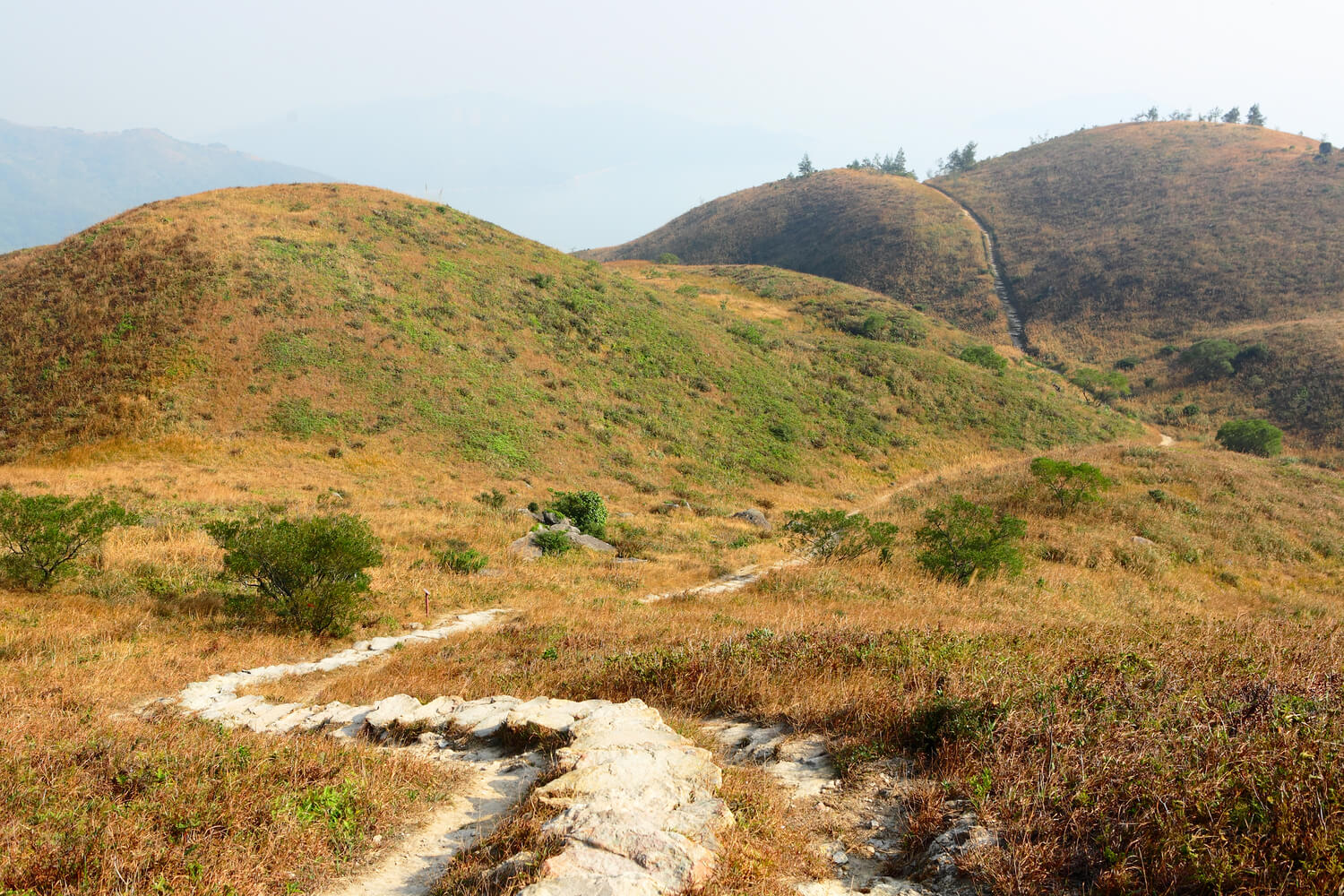
Peat in Whiskey - Nature's Smoky Signature in Scottish Single Malt
The world of whisky is full of complex terms and descriptions, but few words spark as much passion and debate as "peat". For some it is the indispensable ingredient that defines a Scotch single malt, especially from Islay. For others it is an acquired taste. But what exactly is peat, and why is it so important in whisky production?
What is peat?
Peat is a type of soil found mainly in wetlands. It forms over thousands of years as plant material decomposes under wet, oxygen-poor conditions. Peat has a rich, earthy aroma, and when burned it releases a powerful smoky scent.
Peat in whisky production
In whisky production, peat is traditionally used to dry the malted barley that is later used for distillation. When peat is burned beneath the barley, the grain absorbs the smoke, giving the finished whisky a peaty, smoky character.
Islay: the homeland of peat
Islay is one of the Scottish islands famous for its heavily peated whisky. With its peat bogs and maritime location, Islay produces whiskies that often combine notes of salt, seaweed and intense smoke.
Varying intensity
Not all peated whiskies are the same. The intensity of peat is often measured in PPM (phenol parts per million), indicating how much phenol from the peat is present. The higher the PPM, the peatier the whisky.
Lovers and critics
While many whisky enthusiasts swear by the peaty taste and see it as the essence of Scotch single malt, others find it overwhelming, especially if they are new to whisky. But as with all flavours it is subjective, and many find that they come to love peat over time.
Conclusion
Peat plays a unique and invaluable role in the world of whisky. It adds depth, character and an unforgettable taste that, for many, defines the experience of drinking a genuine Scotch single malt. Whether you are a devoted peat fan or a curious newcomer, there is no doubt that peat is a central part of whisky culture and history.